

Counter-Strike 2’s case system is usually discussed as though it were a single mechanic with a single set of odds. In practice it covers several different container types, each with its own structure and its own published distribution.
The scale is also larger than most people picture. Well over five hundred containers exist, holding tens of thousands of possible items between them.
Understanding the shape of it is genuinely useful, whether or not you ever intend to open anything.
The Numbers Behind the System
A free browser case simulator run by GGSkins covers 569 containers with 19,016 possible items between them, which includes weapon cases, sticker capsules, souvenir packages, music kits and graffiti containers. That breadth is the part usually missing from the conversation.
It uses the published odds for weapon cases rather than inventing its own, listing Mil-Spec at 79.92%, Restricted at 15.98%, Classified at 3.20%, Covert at 0.64% and a rare special item at 0.26%. Sticker capsules follow a different published spread, with High Grade at 80%, Remarkable at 16%, Exotic at 3.2% and Extraordinary at 0.8%.
No account is needed and nothing is stored server side, since the inventory, balance and statistics all sit in the browser. The simulator states plainly that it is entirely simulated, with no real skins, no withdrawals and nothing carrying any cash value.
The wider site is a commercial case opening platform for adults, operated by a licensed company, and it is independent of Valve. The simulator is the part that carries no stakes at all, which makes it the useful piece for anyone who simply wants to see what is inside a container.
Weapon Cases Are the Smaller Story
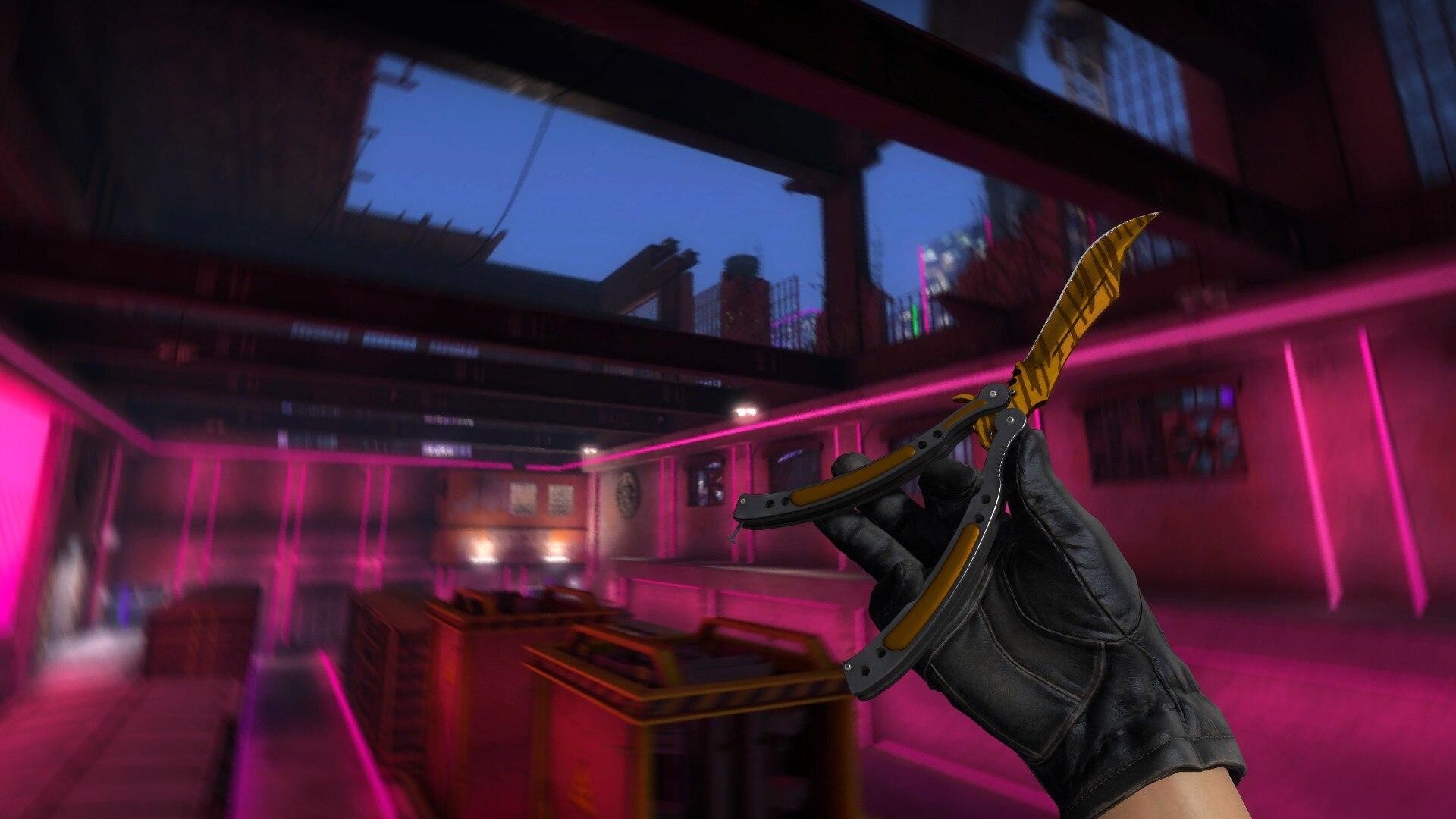
Weapon cases get all the attention because they are the ones containing knives and gloves. They are also a minority of the total container count.
Sticker capsules, music kits, graffiti boxes and souvenir packages make up the bulk of it. Most of those have no rare special item slot at all, which changes their economics entirely.
Souvenir packages are the strangest of the group, because they are tied to specific professional matches. Every item that comes out carries the tournament, the team and the player stickers from that game.
Music kits are the quietest corner of the whole system. They contain no weapons at all, which means the only reason to open one is that you actually want the music.
The Odds Have Not Moved
The weapon case distribution has been stable for years, and it is published rather than inferred. Valve has kept the same five tier structure through the transition to Counter-Strike 2, which is unusual for a system this old.
The 0.26% rare special item figure is the one people misread most often. It is a chance per opening, not a promise that four hundredth case will contain something.
Containers without officially published odds exist too, mostly older or unusual ones. A well built simulator will label those as using derived rates rather than pretending they are official.
Knife and glove odds are shared within that 0.26% figure rather than listed separately. Which of the two you get depends on the container, since not every case contains gloves at all.
What a Simulator Is Actually For
The obvious use is seeing what is in a container without paying to find out. Given that most cases contain items worth considerably less than the key, that is not a trivial benefit.
The less obvious use is learning what the odds feel like over volume. Reading 0.26% means very little, and opening two hundred simulated cases without seeing one means a great deal.
It is also simply a decent way to browse skins. Container by container is a more natural way to look at the catalogue than an alphabetical list of two thousand finishes.
It is also the cheapest way to settle an argument. Claims about which case gives the best chance at a knife tend to survive right up until somebody opens a few hundred of them.
What It Cannot Tell You
A simulator has no float value model that matches the real thing, and float is a large part of what an item is worth. The same skin can vary in price by a wide margin on wear alone.
Prices shown are a snapshot from a market that moves constantly. Anything quoted at the moment of opening will be different in a month.
Most importantly, it produces no items. Nothing simulated has any cash value, cannot be traded and cannot be withdrawn, and any tool claiming otherwise is describing a different sort of product entirely.
Pattern index is the other missing piece. Certain finishes vary enormously by pattern, and two identical looking entries in a simulator would be very different items in a real inventory.
Where This Goes
The container catalogue keeps growing, and the older ones keep drifting out of the active drop pool as new ones arrive. That is the mechanism that gradually makes discontinued cases expensive.
For anyone curious about the system rather than invested in it, a free simulator answers most of the questions at no cost. It is a more honest introduction than the videos, which is worth remembering the next time case odds turn up in the gaming news cycle.
