

Googlebook is officially here, but don’t expect to find a single Google-branded laptop sitting on store shelves. Google has instead enlisted five manufacturers to build its new Android-based laptops, giving each company room to put its own spin on the hardware.
Preorders are already open, with US retail availability beginning October 4. Here’s a look at the five launch models, what separates them, and how much each will set you back.
At a glance: Every Googlebook announced so far
| Googlebook | Starting price | Standout feature |
| Acer Googlebook 14 | $899 | Convertible 2-in-1 design |
| ASUS Googlebook 14 | $1,299 | Lightweight, 2.2-pound chassis |
| Dell XPS Googlebook | $1,199 | Ultra-thin, 12.7mm design |
| HP Googlebook 14 | $1,299 | Up to 1TB of storage |
| Lenovo Googlebook 15 | $1,099 | Large 15.3-inch OLED display |
Meet the five Googlebooks
Acer Googlebook 14
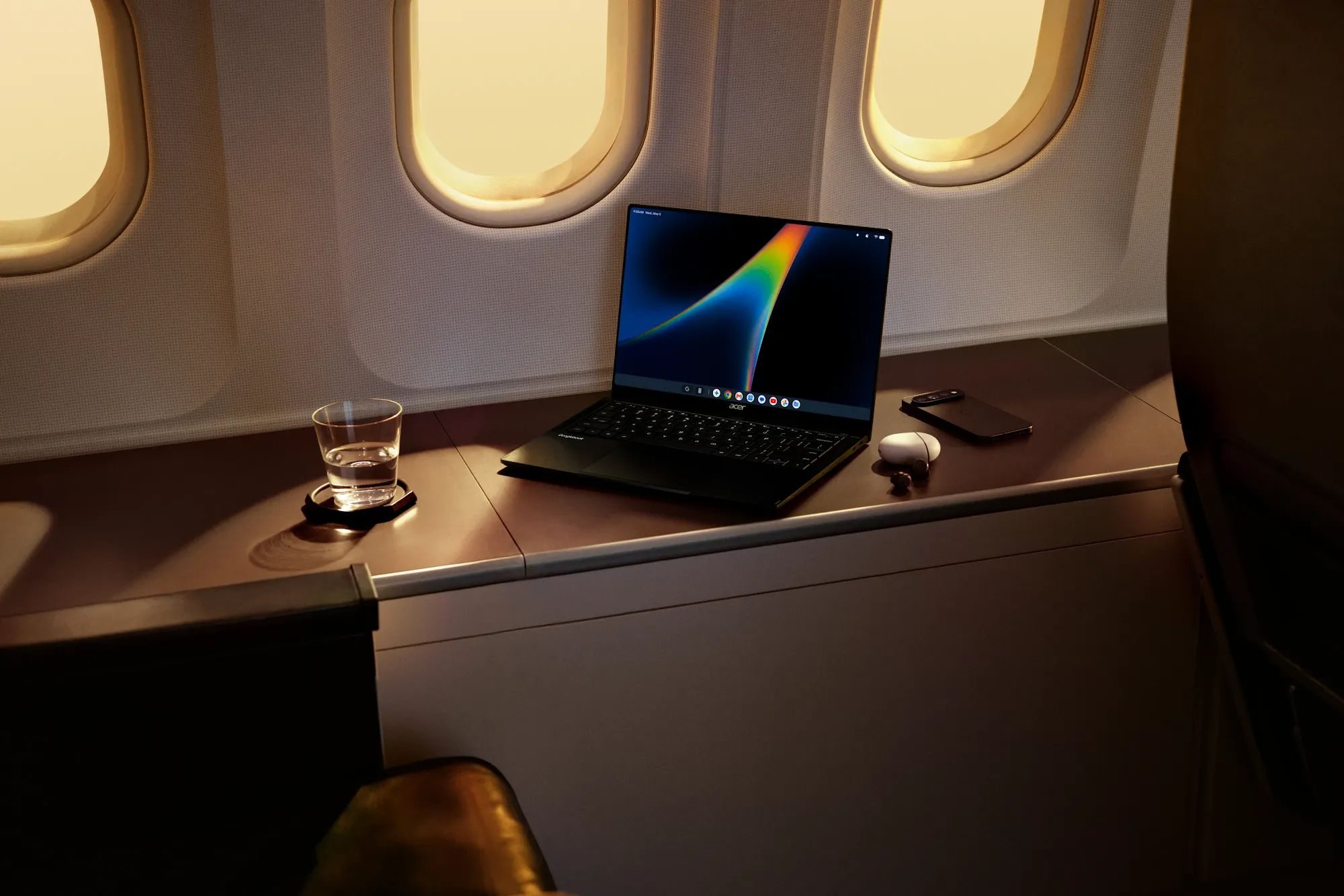
Acer’s $899 Googlebook 14 is the only convertible in the initial lineup. Its 360-degree hinge lets it fold into tablet mode, which could come in handy for anyone who likes the idea of a tablet but still needs a proper keyboard.
The 2.51-pound machine has a 14-inch 2.8K OLED touchscreen, Intel Core Ultra 5 or Ultra 7 processor options, and 16GB of RAM. It’s also the cheapest way into Google’s new laptop ecosystem, at least for now.
ASUS Googlebook 14
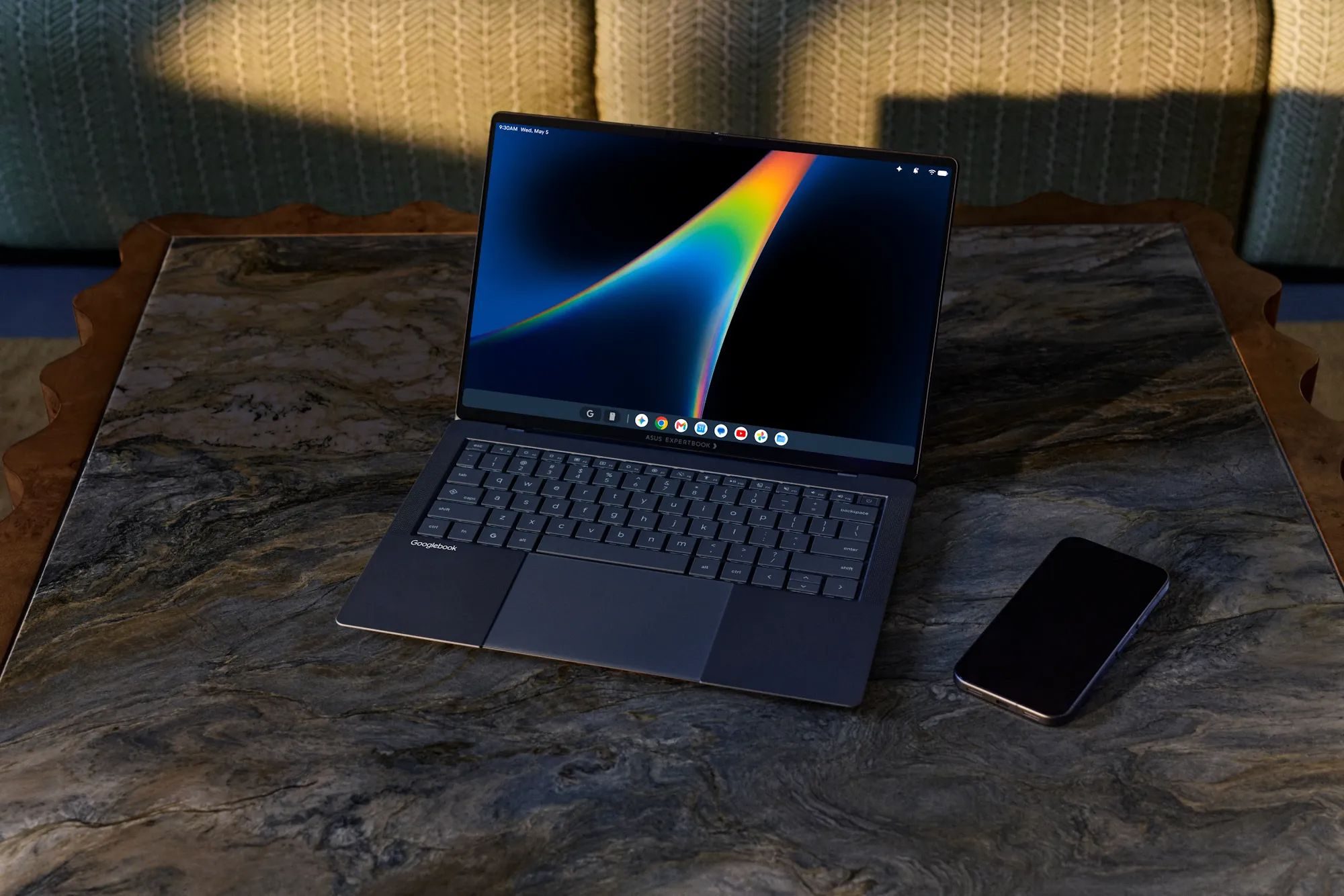
At just 2.2 pounds, ASUS’s $1,299 Googlebook 14 looks particularly appealing for anyone who spends a lot of time carrying a laptop around. It pairs a 14-inch 2.8K OLED touchscreen with Intel Core Ultra Series 3 processors and up to 32GB of RAM.
I also appreciate that ASUS hasn’t sacrificed every port in the pursuit of portability. There are two USB-C ports, two USB-A ports, and HDMI, so connecting a monitor or an older accessory shouldn’t immediately turn into a hunt for a dongle.
Dell XPS Googlebook
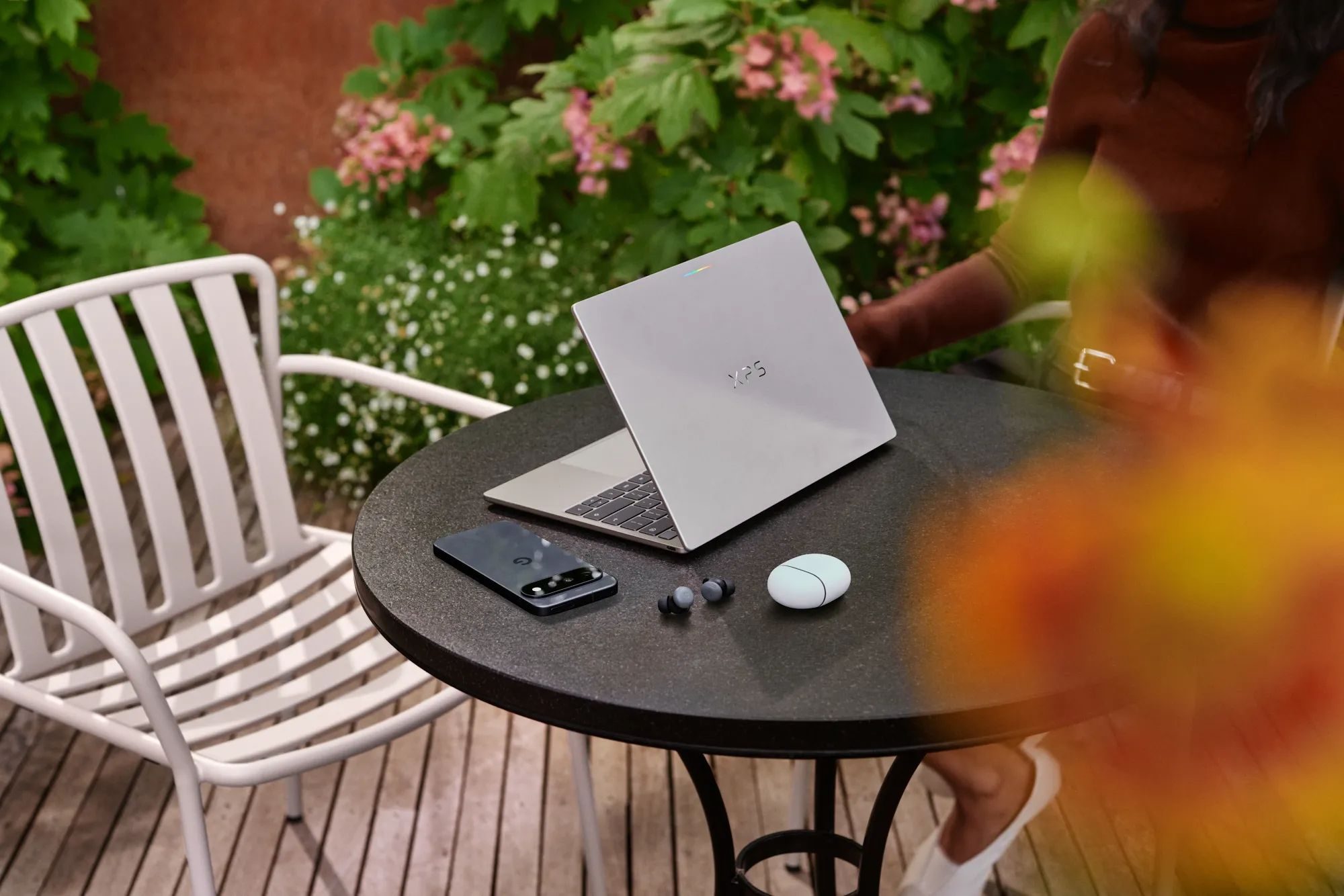
Dell has brought Google’s software to its familiar XPS design. Starting at $1,199, the laptop has a 13.4-inch 2.5K LCD touchscreen, Qualcomm’s Snapdragon X Elite processor, and up to 32GB of RAM.
At 12.7mm thick and weighing 2.2 pounds, it’s the thinnest of the five launch models. The trade-off is a familiar one, though. You get just two USB-C ports, which means a hub might become a permanent fixture in the laptop bag.
HP Googlebook 14
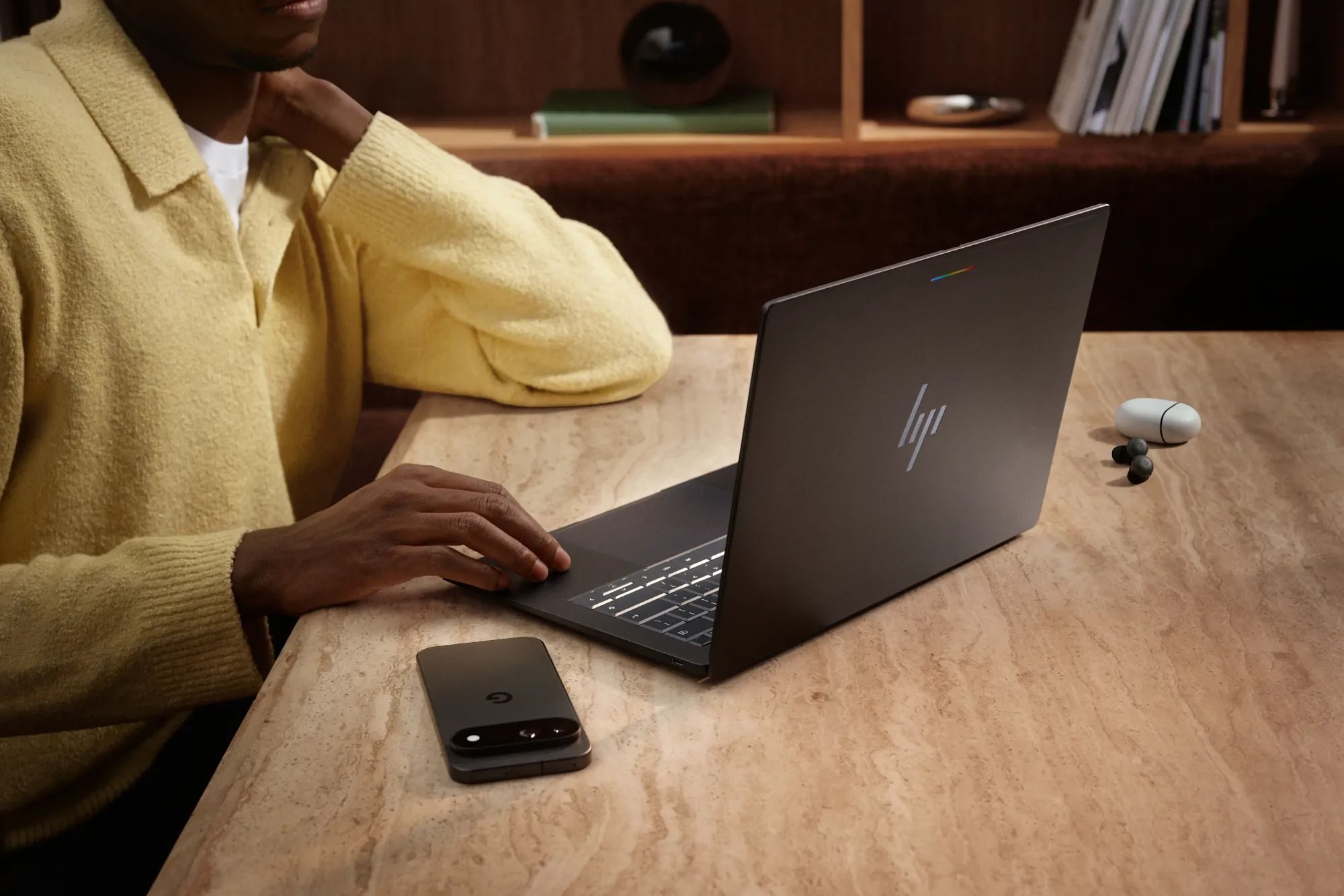
HP’s $1,299 Googlebook offers both facial recognition and a fingerprint reader for signing in. It’s a small convenience, but having two ways to unlock a laptop is something I can appreciate.
The dark blue machine also packs a 14-inch 2.8K OLED touchscreen, Snapdragon X Elite processor, and up to 32GB of RAM. It’s the only model in the initial lineup offering up to 1TB of storage, although the port selection is limited to two USB-C connections and a headphone jack.
Lenovo Googlebook 15
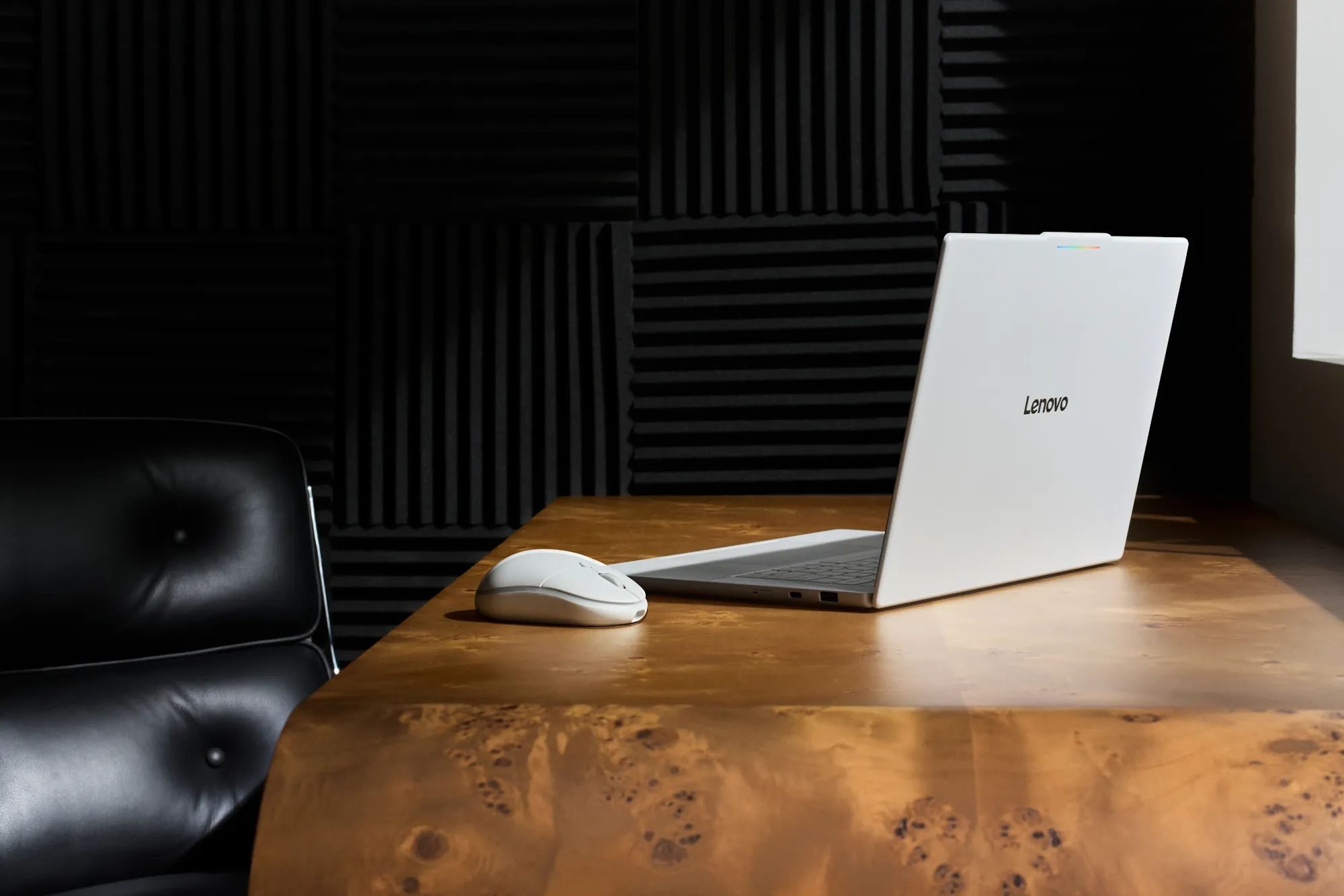
Lenovo has gone bigger with its $1,099 Googlebook 15. The 15.3-inch 2.8K OLED touchscreen gives users more room to spread out their windows, which sounds preferable to constantly rearranging everything on a smaller display.
Inside, there’s an Intel Core Ultra 5 Series 3 processor and 16GB of RAM. The satin-white laptop also has HDMI, USB-A, and USB-C connectivity.
Lenovo is even introducing a matching AI-enabled mouse with its own Glowbar, because apparently the laptop’s blinking lights needed company.
What do all Googlebooks have in common?
All five laptops run Googlebook OS, which combines Android technology with desktop foundations from ChromeOS.
For Android owners, the interesting bit is how the laptop works with a phone, although Google’s cross-device features require a compatible device running Android 17 or later.
Continue On lets users pick up supported tasks where they left off, while Cast My Apps brings phone apps into a desktop window. Phone files are accessible from the laptop, too, without having to transfer them manually.
Gemini is also baked into the experience. Magic Pointer summons AI assistance with a wiggle of the cursor, while Rambler turns spoken thoughts into organized text. Whether either feature becomes part of anyone’s daily routine remains to be seen.
There’s also the question of what you can actually run on a Googlebook. Google is combining desktop Chrome, complete with extensions, with apps from the Play Store. That means familiar Android apps can sit alongside a proper desktop browser, although I’d want to see how well they handle a keyboard and trackpad before getting too excited.
Developers get a Linux terminal for running their usual tools, while gamers receive a complimentary year of GeForce NOW. It’s a fairly broad software offering, but the real test will be whether the apps people already rely on work as comfortably here as they do on their existing laptops.
Every model starts with at least 16GB of RAM and includes Google’s animated Glowbar. Buyers also get 12 months of Google AI Pro and up to 10 years of software updates.
When and where can you buy a Googlebook?
Googlebook preorders are now open through the Google Store, Best Buy, and select retailers. The first laptops are scheduled to reach stores in early October.
| Country | Retail availability |
| United States | October 4, 2026 |
| Canada, UK, Ireland, France, Germany, and Australia | October 5, 2026 |
Google has given Android owners a decent selection of hardware right out of the gate, with Lenovo’s $1,099 model offering a larger-screen alternative to the smaller laptops.
What I’m more curious about is whether the promised phone integration feels as seamless in everyday use as it does in Google’s demonstrations. At these prices, I’d certainly hope so.
