

Saudi Arabia and the Houthis are fighting again, raising concerns about a new war in the Middle East. A conflict could further destabilise the region and hurt the Saudi economy, which is already struggling with the effects of the US-Israeli war on Iran.
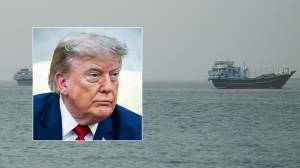
After the closure of the Strait of Hormuz, Saudi Arabia pivoted to the Red Sea for its crude oil exports, shipping through the Bab el-Mandeb Strait to Asian markets. The Houthis have now seized strategic Red Sea islands and declared the strait closed to Saudi shipping.
The two sides are now primed for a new conflict that the region cannot afford, and the United States doesn’t appear to want.
Smoke rose near Riyadh’s international airport on September 19 after the Houthis claimed strikes on the capital and on coastal oil facilities. A week earlier, a strike — unclaimed so far by the Houthis, with analysts suspecting Iraq-backed groups — hit the kingdom’s East-West pipeline.
Related Article Block Placeholder
Article ID: 1258033
On land, the Houthis say they seized about 5,400 square kilometres of the western coast, including Mokha and islands in the Bab el-Mandeb Strait. There are reports of up to 169 killed in recent days, with casualties likely to rise. The number of displaced people is also expected to rise, from over 130,000 to more than 230,000 in the coming months.
The recent clashes jeopardise incremental advances towards peace made in previous years. In March 2015, Saudi Arabia and the United Arab Emirates led a coalition that intervened in Yemen’s civil war, aiming to restore the government of president Abd-Rabbu Mansour Hadi, whom the Houthis had forced to flee Sanaa for Aden and then Saudi Arabia.
Riyadh saw losing Yemen to the Houthis as unacceptable because of the group’s close strategic alignment with the Islamic Republic of Iran. It feared a Houthi-dominated Yemen would be a strategic win for Tehran, but the cost of military intervention proved too high.
The war also distracted attention from Crown Prince Mohammed bin Salman’s initiatives to diversify the Saudi economy and promote international investment. Vision 2030, the diversification plan he launched in 2016, was hostage to a protracted regional conflict. Saudi decision-makers chose to cut their losses in Yemen and prioritise the Saudi economy.
In April 2022, the UN negotiated a truce between the Houthis and the Saudi-led coalition. A year later, the Saudi ambassador flew to Sanaa to meet Houthi leaders. By December 2023, the parties had committed to a UN roadmap. It promised a nationwide ceasefire, resumed oil exports and an easing of restrictions on Sanaa airport and Hodeidah port. The roadmap aimed to secure the Saudi border and boost investor confidence.
But Saudi concerns about the Houthi-Iran alliance remained live in the minds of policymakers. Saudi Arabia maintained air and sea access restrictions to Houthi-held areas to enforce the UN arms embargo and block military hardware from Iran. On July 13, Saudi Arabia and its Yemeni allies struck Sanaa airport to stop an Iranian airliner from landing. The flight was bringing a Houthi delegation home from Ayatollah Khamenei’s funeral in Tehran, reportedly with IRGC advisers and military equipment aboard.
Abdul-Malik al-Houthi, the movement’s leader, called the strike an act of escalation. On July 20, the Houthis declared a naval blockade of Saudi shipping. On August 5, they fired a ballistic missile at a Saudi tanker near Yanbu. In September, the East-West pipeline was struck, and the Houthis seized the coast and fired on Riyadh.
The conflict has all the hallmarks of another major conflict, but the US has been reluctant to intervene. President Trump has rejected Saudi appeals for help, saying the Houthis “don’t want to fight with us”. From Washington’s view, the Iran war has reached a stalemate. Contrary to expectations of a quick victory, Iran is not submitting to US demands.
Related Article Block Placeholder
Article ID: 1254972
America has little appetite for a new front in the Middle East. US stocks of interceptors and cruise missiles are reportedly low, and the image of the US as a formidable military power has already been tested. A new war with the Houthis in Yemen is unlikely to help that image.
This has put Saudi Arabia in a difficult situation. Riyadh has the option of calling on strategic allies Pakistan and Turkey for assistance, but this would quickly expand the conflict zone. The willingness of Ankara and Islamabad to be dragged into what seems to be a slow war of attrition is questionable. Riyadh could appeal to China to mediate a resolution. This would save face for both sides and offer a way out.
China has every interest in the end of hostilities and the free flow of oil shipments. The closure of the Strait of Hormuz has already put enormous pressure on the Chinese industrial machine. The closure of the Bab el-Mandeb Strait would be unacceptable to Beijing. China has already demonstrated it is open to mediation, as it did in 2023 to end the feud between Iran and Saudi Arabia.
Conflict between Saudi Arabia and the Houthis is amplifying regional tensions and putting enormous strain on the global economy. It is a major distraction from Saudi Vision 2030, and a military response is unlikely to bring a definitive end to it. Yet ignoring the Houthis would be tantamount to resigning to Iranian influence on Saudi Arabia’s doorstep.
